If you are thinking about attending a group sound session for the first time, you have probably seen “gong bath” and “singing bowl session” listed as options. They sound similar, but the experiences are quite different. Here is a practical guide to help you choose.
What happens at a gong bath
A gong bath is built around one or several large gongs played continuously over an hour. The practitioner uses different mallets to create swelling, layered, sustained tones. The sound builds, recedes, and builds again across the session.
You typically lie on your back on a mat, with a pillow under your knees and a blanket within reach. The sound becomes physical at peaks — you can feel it in your chest. Reported responses vary widely: some people experience strong emotional responses (tears, laughter, vivid memories), others drift into deep relaxation, some fall asleep. The intensity is part of the design.
What happens at a singing bowl session
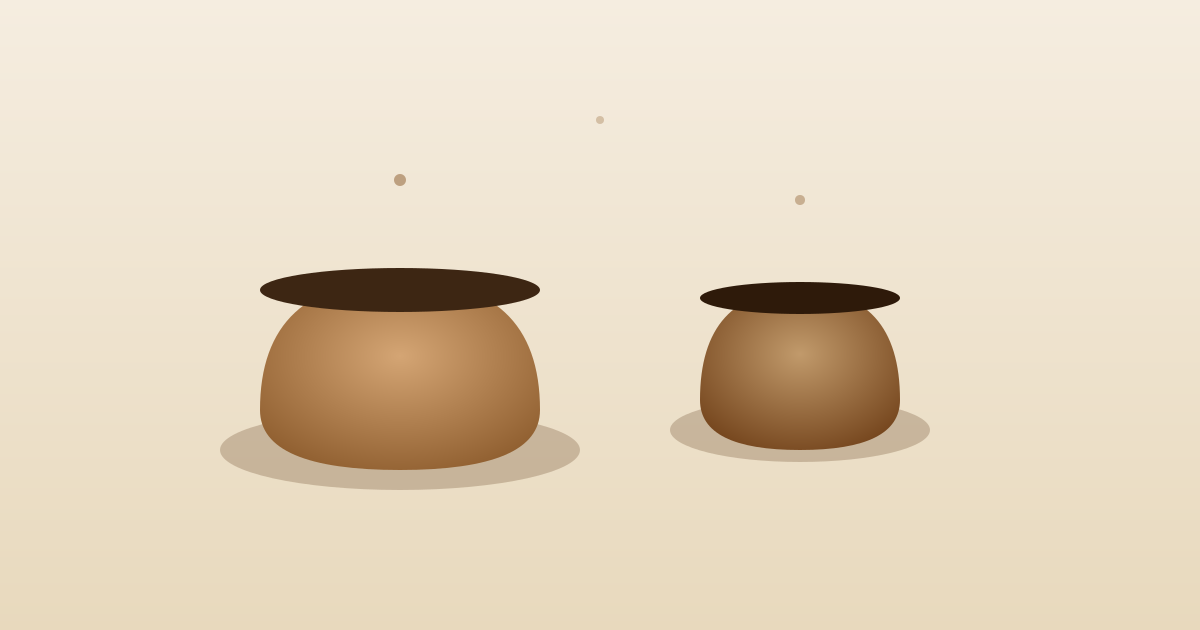
A singing bowl session is generally gentler. The practitioner plays a set of metal or crystal bowls — sometimes a dozen or more — in patterns that create layered overtones rising and falling. Volume stays moderate. The character is more melodic and less overwhelming.
You lie down the same way, but the experience tends to feel like immersion rather than impact. Many first-timers describe it as the most relaxed they have been in a while. Reactions are usually quieter — deep calm, sometimes sleep, occasional emotional responses but typically softer.
Which one to start with
For a first-time experience, a singing bowl session is usually the gentler introduction. It is easier to tolerate, more predictable, and less likely to produce the kind of intensity that can feel overwhelming if you are not prepared for it. Most people leave a first session feeling settled and curious.
A gong bath is worth attending once you have some experience with sound-based practice and know that you are comfortable with stronger sensory input. People who have done a few singing bowl sessions often enjoy their first gong bath. People who go straight to a gong bath without context sometimes find it too intense.
Neither is “better.” They are different tools for different moments.
What to bring and how to prepare
For either session:
- A yoga mat (some studios provide them)
- A small pillow for under your knees or head
- A light blanket (the body cools when it lies still)
- An eye cover if you have one
- Comfortable clothing without belts or constricting waistbands
- A small water bottle for after
Avoid eating a heavy meal in the two hours before the session. Use the bathroom right before going in. Arrive ten minutes early so you are not rushed.
After the session
You may feel deeply relaxed, pleasantly drowsy, or simply quieter than usual. The post-session quiet is part of the experience. Resist the urge to immediately discuss it or check your phone.
Drink water. Do not drive immediately if you feel dreamy. Let the rest of your evening be gentler than usual.
When to talk to the practitioner before booking
Tell the practitioner before the session if you have:
- Significant hearing sensitivity or recent hearing changes
- A history of seizures
- A pacemaker or other implanted electrical device
- Recent surgery, pregnancy, or acute pain conditions
- Strong claustrophobia or fear of loud sounds
Most reputable practitioners will adjust the session for you or recommend a different format. None of these are necessarily disqualifying — they just deserve a quick conversation upfront.
A final note
Studios vary widely. The same session name can mean different things in different cities and with different practitioners. If a session you attend feels uncomfortable, the right response is to talk to the practitioner about it, not to write off sound-based practice entirely. Try a different practitioner. The match matters.
For a first sampling of what the recordings of each session type sound like, a desktop audio tool can help you preview the general character under your own listening conditions — useful for deciding whether you want to attend in person.
Desktop Retuning Lab
We cite it when a story needs a heavier comparison bench rather than a quick consumer-facing demo.
For people who want to sample recordings of each kind of session before attending in person, a desktop audio tool can help preview the general character under controlled listening conditions.Common reader questions
Will a gong bath be too loud for older ears?
It depends on the practitioner and the venue. Reputable practitioners build gradually to the loud moments rather than starting there. If you have hearing sensitivity, ask before booking and consider bringing earplugs if that helps you feel comfortable.
Do I need to bring anything?
A yoga mat, a small pillow, a blanket, and an eye cover are common. Most studios provide some of these but check in advance. Wear comfortable clothing without constricting waistbands.
Is it okay if I fall asleep during the session?
Yes. Many people do, and the practitioner will not be offended. The experience can still have calming effects even if you drift off.
Are there medical concerns with gong baths?
Tell the practitioner before the session if you have hearing sensitivity, a pacemaker, a history of seizures, recent surgery, or are pregnant. Most reputable practitioners will accommodate or recommend a different format. These are practical considerations, not contraindications.